Harvest Bloom From Field to Table, Rooted in Season

Harvest Bloom

From Field to Table, Rooted in Season

Latest Articles

Chasing the Ghost Tomato: How Industrial Farming Stole Summer's Best Flavor and Who's Bringing It Back
Sustainable Farming

Chasing the Ghost Tomato: How Industrial Farming Stole Summer's Best Flavor and Who's Bringing It Back

Somewhere between the greenhouse and the grocery shelf, the tomato lost its soul. A combination of industrial breeding decisions, cold storage logistics, and cosmetic standards quietly stripped one of summer's most beloved vegetables of the very compounds that made it worth eating. But small farms across the country are pushing back — and the science is finally on their side.

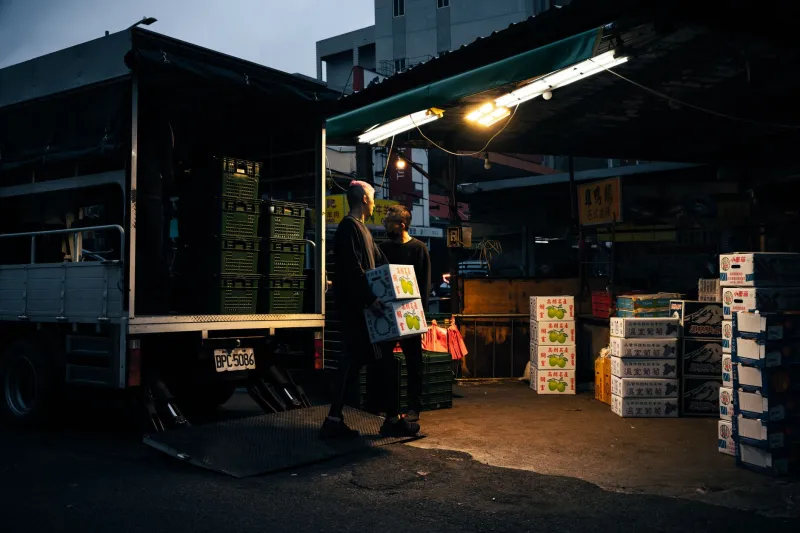
Picking by Moonlight: The Night Harvesters Who Say Darkness Makes Better Food
Food Trends

Picking by Moonlight: The Night Harvesters Who Say Darkness Makes Better Food

A quiet revolution is unfolding before dawn on farms across America, where a growing number of growers are ditching daytime picking schedules in favor of harvesting under stars and headlamps. They say the science backs them up—and the chefs and researchers paying attention are starting to agree.

Your Garden's Climate Report Card: A DIY Guide to Measuring What You're Actually Growing Back
Sustainable Farming

Your Garden's Climate Report Card: A DIY Guide to Measuring What You're Actually Growing Back

Think your backyard garden is good for the planet? It probably is—but do you actually know by how much? This practical guide walks home growers through the real science of carbon sequestration, water footprints, and compost math so you can stop guessing and start measuring.

Pickle, Ferment, Preserve: How Conscious Cooks Are Turning Harvest Abundance Into Year-Round Pantry Gold
Food Trends

Pickle, Ferment, Preserve: How Conscious Cooks Are Turning Harvest Abundance Into Year-Round Pantry Gold

Across the country, home kitchens are bubbling with crocks of kimchi, shelves lined with lacto-fermented hot sauce, and jars of summer tomatoes destined to outlast the frost. The fermentation revival isn't just a trend — it's a full-throated rejection of industrial food systems and a love letter to the harvest. We talked to farmers, fermenters, and food scientists to find out why preservation is having its biggest moment in decades.

What's Living in Your Dirt? The Farmers Learning to Read Soil Like a Language
Sustainable Farming

What's Living in Your Dirt? The Farmers Learning to Read Soil Like a Language

A new generation of American farmers is ditching the spreadsheet-and-synthetic-fertilizer playbook and getting down in the dirt — literally. By combining microbial science, traditional observation methods, and hard-won field intuition, these soil-focused growers are building farms that don't just survive season to season, but genuinely improve with age. We spent time with the farmers doing it and the researchers helping decode what they're finding.

Breaking the Commodity Cycle: Meet the Farmers Reinventing American Agriculture One Field at a Time
Sustainable Farming

Breaking the Commodity Cycle: Meet the Farmers Reinventing American Agriculture One Field at a Time

Across the country, a growing number of farmers are walking away from the treadmill of corn, soy, and cotton monocultures — not because it's easy, but because the old model is quietly breaking them. These are their stories, and the harder question of why more farmers haven't followed yet.

Why Fall Is the Best Time to Stop Trusting Your Grocery Store
Food Trends

Why Fall Is the Best Time to Stop Trusting Your Grocery Store

That pale, watery tomato sitting in your cart didn't lose its flavor by accident — it was engineered out of it. Here's the science behind why supermarket produce tastes like cardboard, and a practical field guide to what's actually worth eating right now this fall.

The Vegetable Detectives: Inside the Race to Rescue America's Lost Heirloom Crops
Sustainable Farming

The Vegetable Detectives: Inside the Race to Rescue America's Lost Heirloom Crops

Across the country, a loose network of farmers, seed librarians, and agricultural historians is doing something that looks a little like archaeology—digging through old catalogs, remote homesteads, and indigenous communities to pull rare vegetable varieties back from the edge of extinction. The stakes are higher than you might think: crop biodiversity isn't just about flavor, it's about the long-term resilience of the entire food system. We went looking for the people doing this work, and what w

Buried in Basil and Loving It: How to Survive (and Thrive) During Peak Harvest Chaos
Food Trends

Buried in Basil and Loving It: How to Survive (and Thrive) During Peak Harvest Chaos

Every September, home gardeners open their back doors to an overwhelming cascade of zucchini, tomatoes, and greens that seemingly multiplied overnight. Far from a crisis, this annual abundance is actually one of the most creatively energizing moments of the year—if you know how to ride the wave. We talked to extension agents, seasoned canners, and CSA devotees to find out how they turn the harvest glut into something genuinely joyful.

Seed Keepers: The Quiet Revolution Happening in America's Barns and Basements
Sustainable Farming

Seed Keepers: The Quiet Revolution Happening in America's Barns and Basements

Across the country, a growing network of farmers and backyard growers are doing something radical with their harvests — they're saving the seeds. What looks like a simple act of thrift is actually a powerful form of agricultural resistance, one that's keeping rare flavors, forgotten crops, and food sovereignty alive one envelope at a time.

The Crooked Carrot Comeback: How Imperfect Produce Became the Hottest Thing at the Farmers' Market
Food Trends

The Crooked Carrot Comeback: How Imperfect Produce Became the Hottest Thing at the Farmers' Market

That knobby tomato, the two-legged carrot, the cucumber that forgot which direction it was supposed to grow — turns out, they're having a moment. American farmers are flipping the script on so-called cosmetic defects, turning grocery store rejects into sought-after market staples that fetch surprising prices and waste a whole lot less.