County Lines, Fresh Plates: The Chefs Betting Everything on the 40-Mile Menu
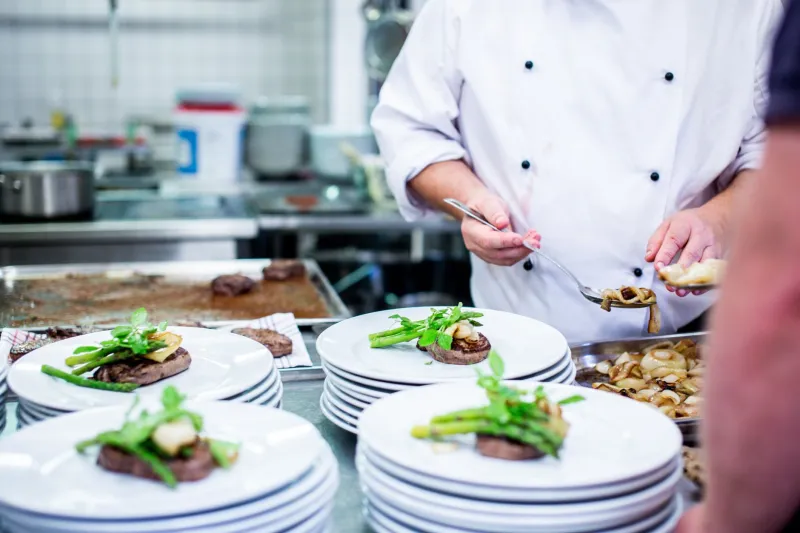
There's a moment of quiet panic that hits most chefs when they decide to source everything within about 40 miles of their kitchen door. It usually arrives somewhere around February, when the walk-in cooler holds little more than storage carrots, potatoes, and a stubborn row of kale under a hoop house. That's when the experiment stops being a marketing gimmick and becomes a genuine act of culinary creativity.
Across the country, a small but growing crew of chefs is making exactly that bet. They call it different things — a county-line menu, a foodshed kitchen, a 40-mile plate — but the premise is the same: if it didn't grow, swim, or wander within a tight radius of the restaurant, it doesn't go on the plate.
What a 40-Mile Menu Actually Looks Like
In Vermont, that means a winter tasting menu built around apples in a dozen forms — cider-brined beets, applewood-smoked trout, a granita pressed from late-harvest fruit. In coastal Oregon, it means kelp and mussels standing in for the farmed salmon most diners expect. In Texas Hill Country, it means pecans, black-eyed peas, and greenhouse tomatoes doing work that conventional kitchens outsource to a produce truck.
The constraint sounds punishing, and honestly, sometimes it is. No lemons means vinegar, verjus, and fermented plum take over the acid duties. No vanilla means the pastry chef leans on toasted grains, honey, and roasted nuts. Chefs who cook this way describe it less as sacrifice and more as a puzzle — one with a solution that tastes like a place.
And that's the point. When every ingredient comes from within a morning's drive, the menu becomes a portrait of the landscape. Eat at one of these restaurants in October and you're tasting October, not a supply chain that flattens the seasons into sameness.
The Unsung Partners: Foragers and Small Farms
No hyper-local kitchen runs on talent alone. It runs on relationships — the kind built over years, at farm stands and loading docks, at 6 a.m.
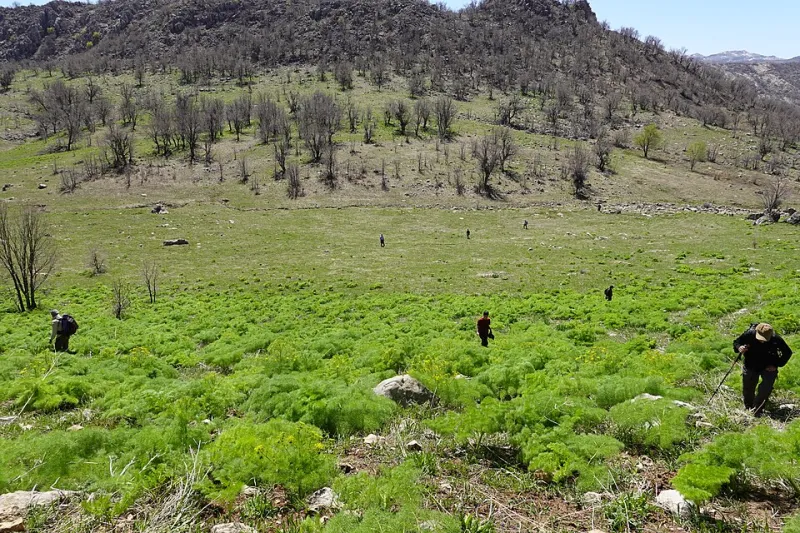
Foragers have become essential to the model. A chef in the Pacific Northwest might build an entire summer menu around what one person with a knife and a deep knowledge of tide tables brings in: wild berries, sea beans, chanterelles, spruce tips. These aren't ingredients you can order through a distributor. They exist because someone knows exactly which creek bend to check after a rain.
Small farms do the heavy lifting the rest of the year. Many of these restaurants operate on what's essentially a handshake CSA — the kitchen commits to buying whatever the farm grows, in whatever quantity comes off the field, and the farm plans its plantings around what the kitchen can sell. When a farmer takes a chance on a crop of celtuce or a field of dry beans, the restaurant absorbs the risk. When a hailstorm flattens the lettuce, everyone eats braised greens and nobody complains.
The Home Cook's Version: Eating Inside Your Foodshed
You don't need a restaurant budget to shrink your food radius. A few habits get you most of the way there:
- Find your foodshed. Draw a mental circle around your home — 40, 50, even 100 miles. What grows there? Your state's agricultural extension office publishes crop calendars that answer this in detail, for free.
- Rearrange your farmers' market strategy. Instead of shopping with a recipe, shop with your eyes. Buy what's piled highest and cheapest — that's what's in season — and build meals backward from there.
- Learn the substitutions. No local citrus in your region? Vinegar, verjus, and quick-pickled vegetables deliver the brightness you're missing. Think of it as cooking with a smaller paint palette, not a smaller kitchen.
- Preserve the surplus. When your local season peaks, it peaks hard. Freezing, fermenting, and drying let you eat your county's harvest in January instead of a trucked-in substitute.
What 'Local Harvest' Means Where You Live
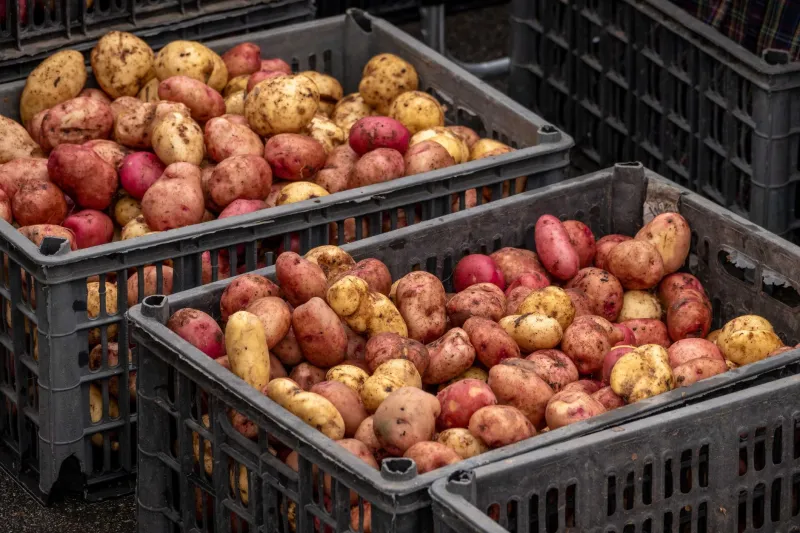
Part of the fun is learning your own region's rhythm. In New England, late summer means corn, tomatoes, and the brief, glorious stone fruit window. In the Southwest, winter is the high season — citrus, greens, and root vegetables thrive when the rest of the country is buried in snow. The Midwest's answer to lean months is the cellar crop: squash, potatoes, onions, and apples that store for months without electricity. The Deep South runs a nearly year-round calendar, with collards and sweet potatoes bridging the gaps.
Wherever you are, the local harvest is richer than most of us assume. It just takes a season or two of paying attention.
Why It Matters Beyond the Plate
The economics are as compelling as the flavor. Money spent at a farm within your county tends to recirculate locally — paying wages, buying seed, keeping land in production instead of development. Shorter supply chains also mean fewer vulnerable links, something the last few years have taught all of us the hard way.
Mostly, though, the 40-mile menu is a mindset. It asks a simple question before every meal: what does this place have to offer right now? Answer it honestly, and dinner gets a lot more interesting.