Ground Again: The Small-Town Mills Bringing Real Flour Back to American Tables
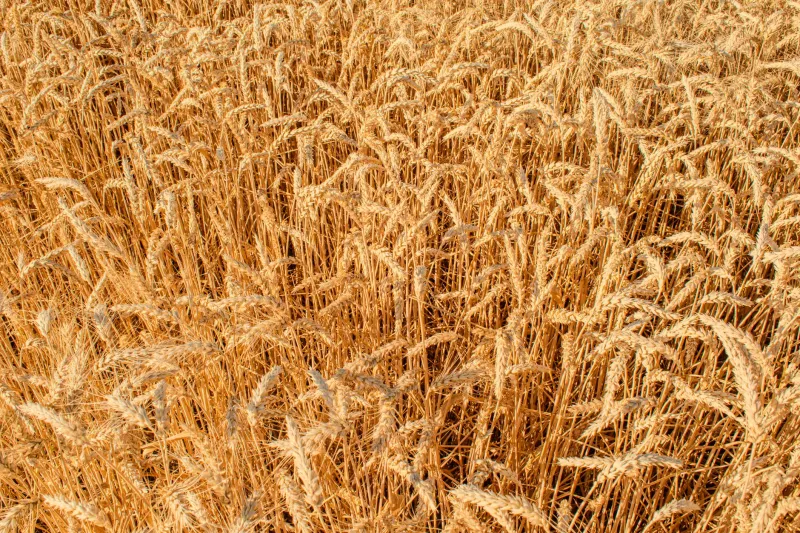
There's a moment when you open a fresh bag of stone-ground whole wheat flour from a small regional mill — before you've even done anything with it — where you catch something unexpected. A nuttiness. A faint warmth, almost like toast. It smells alive in a way that the bleached, bromated stuff in the paper bag at the grocery store absolutely does not.
That smell is the point. And for a growing network of grain farmers, millers, and bakers scattered across rural America, recapturing it is something close to a mission.
The Long Disappearance
For most of American history, milling was local. Every region had its own grain culture — Red Fife wheat in the upper Midwest, Carolina Gold rice in the South, spelt and emmer in communities with German and Eastern European roots. Mills dotted the landscape, often sitting right alongside the farms that fed them. The flour those mills produced was dense with nutrients, rich in bran and germ, and deeply expressive of the soil it came from.
Then came industrial consolidation. Through the mid-twentieth century, regional mills shuttered by the hundreds as massive commodity operations centralized flour production. The wheat varieties that survived were selected for yield and shelf stability, not flavor or nutrition. The milling process itself was redesigned to strip out the bran and germ — the very parts of the grain that carry most of the vitamins, minerals, and oils — because those components caused flour to go rancid faster. What remained was a shelf-stable, nutrient-poor white powder that's technically consistent but gastronomically inert.
We've been baking with that flour for two or three generations now. Most of us don't even know what we're missing.
The People Bringing It Back
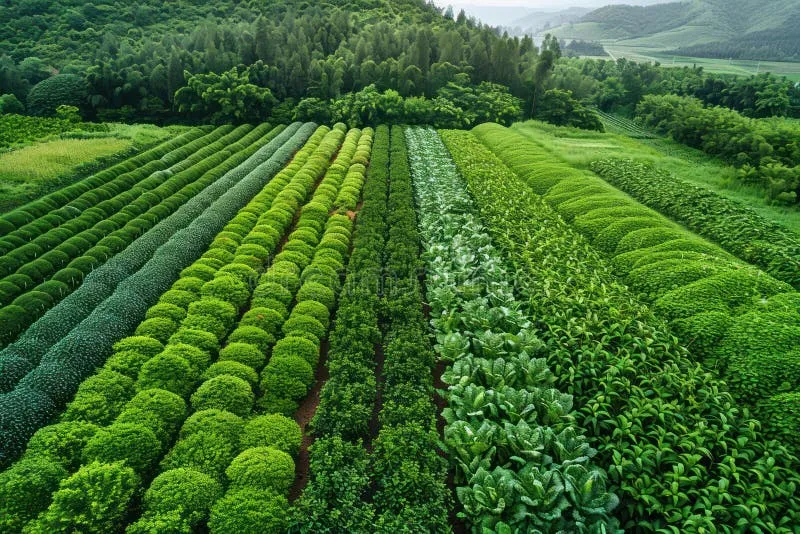
In places like the Willamette Valley in Oregon, the Palouse region of Washington State, and scattered pockets of the rural Midwest and mid-Atlantic, a different story is starting to unfold. Small mills — some newly built, some carefully restored — are opening their doors again. And they're doing it in partnership with farmers who are willing to take the risk of growing heritage and landrace grain varieties that the commodity market has no use for.
These aren't hobbyist operations. They're serious attempts to rebuild regional grain infrastructure from the ground up, creating supply chains that are short, transparent, and rooted in place.
At their core is the stone mill itself. Unlike the steel roller mills that dominate industrial flour production, stone mills grind the entire grain kernel at low temperatures, keeping the bran and germ intact and protecting the fragile oils that give whole grain flour its flavor. The process is slower. The yield is lower. The flour has a shorter shelf life. And the resulting bread, pasta, or pastry tastes like something that actually grew in the earth.
Terroir in a Bag of Flour
One concept that keeps coming up in conversations with the people driving this revival is terroir — that French wine term for the way a place expresses itself in what it produces. Soil composition, rainfall patterns, elevation, seasonal temperature swings: all of it shows up in a grape, and increasingly, millers and grain farmers are arguing it shows up in wheat, too.
A hard red winter wheat grown in the volcanic soils of the Pacific Northwest is going to bake differently — and taste different — than the same variety grown on the limestone-rich plains of Kansas. Stone milling preserves those distinctions rather than grinding them into anonymity. When a small mill labels its flour by farm name and harvest year, it's making the same kind of claim a winemaker makes on a bottle: this came from somewhere specific, and that specificity matters.
For bakers, that specificity is both a gift and a challenge. Heritage grain flours often behave differently than the commodity stuff. They can absorb water differently, develop gluten more slowly, and produce loaves that are denser or more irregular. Bakers who work with them tend to describe the learning curve as real — and the results as worth it.
Rebuilding the Chain, One County at a Time
What makes the current milling revival feel different from previous artisan food trends is the emphasis on infrastructure, not just aesthetics. It's not just about producing beautiful flour for upscale bakeries in Portland or Brooklyn. The millers who are in this for the long haul are thinking about regional food security, farmer economic viability, and what it actually takes to make local grain systems sustainable over time.
That means working directly with farmers on variety selection and agronomic practices. It means investing in grain cleaning and storage equipment. It means building relationships with restaurants, bakeries, and home cooks who are willing to pay a fair price and accept some variability in their ingredient. And it means doing a lot of patient education about why flour that costs more and lasts less long is actually a better deal.
Some of the most exciting work is happening at the intersection of milling and community food systems. Certain regional mills have started offering community-supported grain shares, modeled on CSA farm subscriptions, where households receive regular deliveries of freshly milled flour and whole grains. Others are partnering with school districts and food banks to get locally grown, stone-milled grain into institutional kitchens — a harder sell, but a meaningful one.
What's at Stake
The nutritional argument for stone-milled heritage grain flour is compelling. Whole grain flour retains the bran and germ, which together contain most of the fiber, B vitamins, iron, zinc, and beneficial plant compounds that make grain worth eating in the first place. Industrial refining strips most of that out, then adds back a handful of synthetic nutrients in a process called enrichment — which is a little like removing the engine from a car and then gluing a picture of an engine onto the hood.
Beyond nutrition, there's a climate argument too. Heritage grain varieties tend to have deeper root systems than modern commodity wheat, making them better at building soil organic matter and sequestering carbon. Many are adapted to lower-input growing conditions, reducing the need for synthetic fertilizers and pesticides. A regional grain economy built around these varieties is, almost by definition, a more regenerative one.
The Freshest Thing in Your Pantry
Here's the practical upshot for anyone who cooks: fresh, locally milled flour is one of the most straightforward upgrades you can make to your kitchen. You don't need special equipment or advanced technique. You do need to find a source — and increasingly, that's getting easier.
Farmers' markets in grain-growing regions often carry locally milled flour. Regional food co-ops are stocking it more regularly. And a growing number of small mills sell directly online, shipping freshly milled flour in quantities that make sense for home bakers. Look for flour that lists a mill name, a farm source, or a milling date. Refrigerate it when you get home. Use it within a few weeks.
Then bake something simple — a loaf of bread, a batch of pancakes, a pie crust — and pay attention. The flavor you're tasting has a history behind it. Soil, seed, season, stone. A whole chain of choices made by people who decided that flour was worth caring about again.
Turns out, they were right.