Ten Ingredients, Twelve Months: What a Year of Radical Seasonal Cooking Actually Taught Me
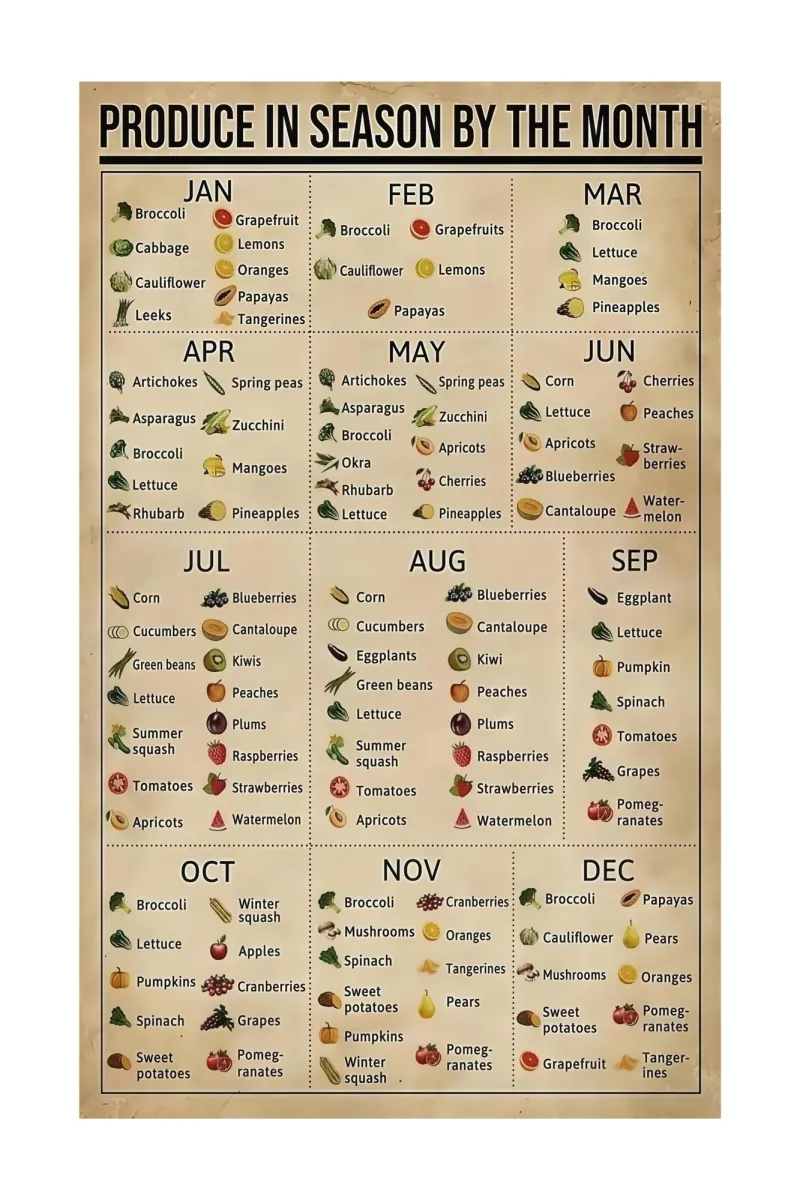
Photo: seasonal vegetables arranged by month farm kitchen cooking, via i5.walmartimages.com
Let's be honest about what seasonal eating usually means in practice: farmers' market kale from October to May, and a quiet DoorDash habit the rest of the time. I wanted to know what happens when you take it seriously. So I picked ten ingredients grown within fifty miles of my kitchen and committed to building every meal around them for a full year.
The rules: the ten could shift with the seasons, but no more than ten at a time. Pantry staples — salt, oil, vinegar, dried chiles — were allowed as supporting cast, never the star. Everything else was off the table.
The Starting Ten
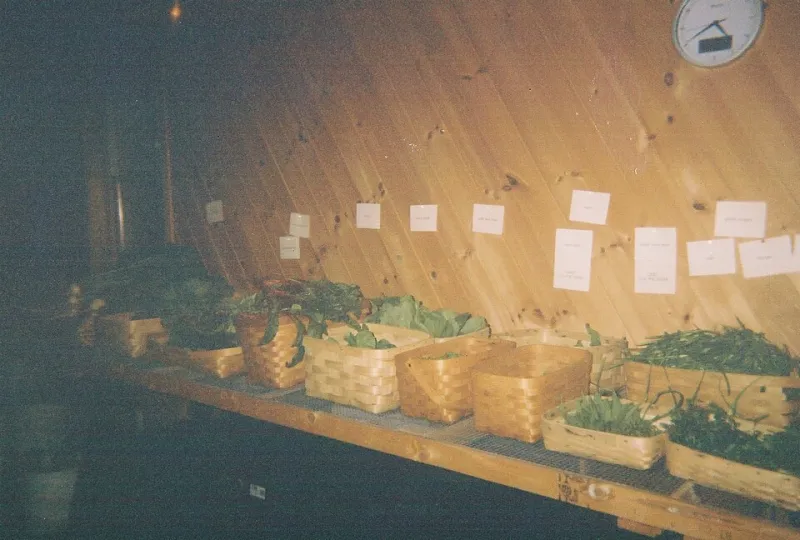
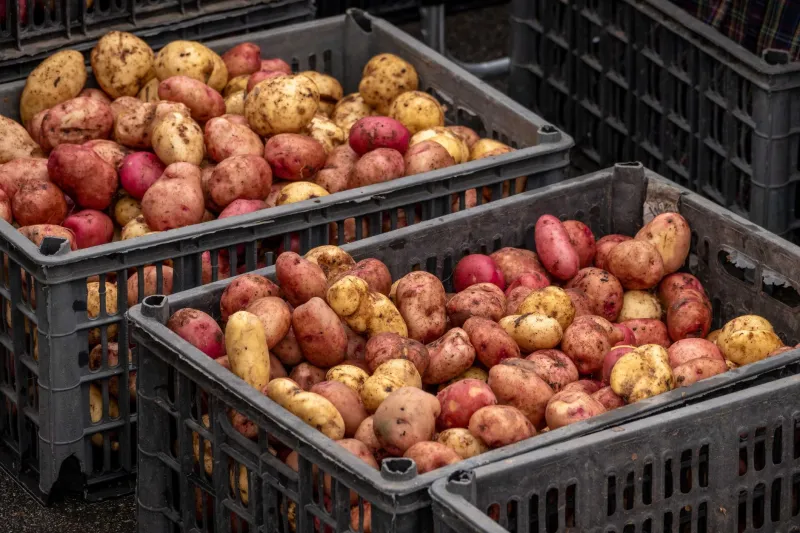
Spring began with eggs, potatoes, onions, garlic, hardy greens, carrots, radishes, leeks, dried beans, and a lacto-fermented hot sauce I made in April and leaned on like a crutch. Summer's roster swapped in tomatoes, sweet corn, zucchini, and peppers. Fall brought back the roots and added winter squash and apples. Winter was the crucible: potatoes, onions, carrots, beets, cabbage, squash, eggs, beans, garlic, and frozen sweet corn from August, rationed like treasure.
The Monthly Report Card
January — C+. The hardest month, no sugarcoating it. Cabbage three ways is still cabbage. But braising is a skill, and I got good at it fast.
February — C. Same roster, deeper despair. The win: a potato-and-beet hash with crispy eggs that I now make for brunch guests who have no idea they're eating survival food.
March — B-. The first radishes appeared and I nearly wept. Constraints had taught me to season aggressively — vinegar, heat, fat — because bland is a choice, not a circumstance.
April — B+. Greens exploded. A year of cooking taught me that a great vinaigrette and a hot pan can turn the same leafy pile into four completely different dinners.
May — A-. Eggs, new potatoes, garlic scapes. The kitchen felt like it was waking up with me.
June — A. Zucchini season began and I was ready: fritters, ribbons, quick pickles, a chocolate-zucchini loaf that fooled everyone.
July — A+. Peak everything. Tomatoes, corn, peppers. This is the month that makes the whole experiment worth it, and this year I actually tasted it instead of taking it for granted.
August — A+. I put up fourteen pints of tomatoes and froze corn. Future-me in February sends thanks.
September — A. Squash and apples arrived. Roasting everything, regretting nothing.
October — B+. The overlap month — last tomatoes, first beets. Cooking across the seasonal border is a genuinely fun puzzle.
November — B. Roots and brassicas return. My braise repertoire, now genuinely deep, carried the month.
December — B-. Better than January, because I'd stockpiled. Ferments, frozen corn, dried beans, and hardy storage crops made a surprisingly festive table.
What the Constraints Bought Me
Three things, none of which I expected. First, technique: when you can't buy a new flavor, you have to build new methods — charring, fermenting, braising, pickling. Second, money: my produce bill dropped roughly a third, mostly because I stopped buying things I didn't need. Third, and this is the big one, attention. I know what a February carrot tastes like now, and I know why it's worth waiting until April for the next one.
The Honest Caveats
This experiment is a privilege. It assumes farmers' market access, a working kitchen, and time. It also assumes a forgiving household — my partner's first request after month twelve was a lemon, followed by a lime, followed by a citrus fruit arrangement that I suspect was a statement.
But the core finding stands: constraints don't shrink a cook. They sharpen one. You don't need forty ingredients. You need ten good ones and the willingness to meet them where they grow.