No Cashier, No Problem: Inside the Quiet Revival of the Roadside Honor Box
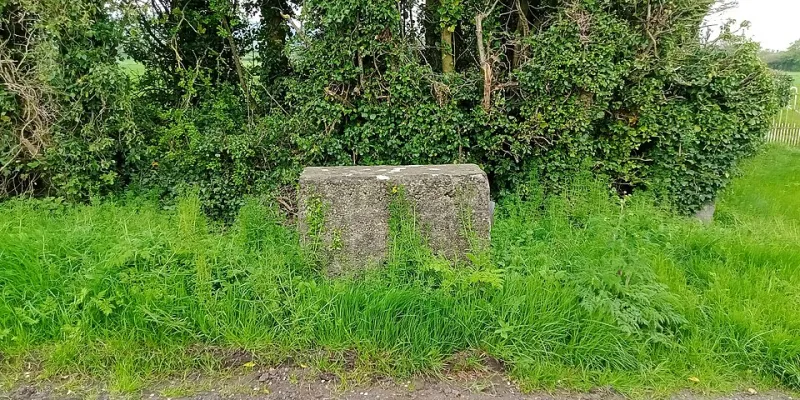
Photo: A.-K. D., CC0, via Wikimedia Commons
There's a particular sound a dollar bill makes when it lands in a coffee can at 7 a.m. on a Tuesday. If you've ever stopped at a self-serve farm stand, you know it: the soft flutter, the clink, the satisfying nothing-else that follows. No receipt. No small talk. Just eggs, a fistful of zucchini, and an unspoken agreement between two people who will probably never meet.
Honor-box farm stands — the cash box, the QR code taped to a cooler lid, the handwritten sign reading "$6/dozen — please pay" — are having a moment. And in an economy where everything seems to require an app, a login, and a subscription, that moment says something worth listening to.
The Lowest-Overhead Storefront in America
Ask any farmer why they run an honor stand and the answer usually starts with labor. A traditional farmers' market booth means four hours at a table, a canopy, a fee, and the drive home. A roadside stand means stocking it once in the morning and collecting in the evening.
"My farm stand works while I'm thinning carrots," says one Vermont grower who sells eggs, tomatoes, and cut flowers from a converted hutch outside her driveway. "It's the only employee I've ever had that doesn't need a lunch break."
The math is straightforward. A used chest freezer, some shelving, a weatherproof cash box, and a sign can get a stand running for a few hundred dollars. Compared to market fees, insurance for a storefront, or the cut taken by third-party delivery apps, the margin on a $5 bunch of beets stays almost entirely with the grower.
The QR Code Changed Everything
The stereotype of the honor stand — a lonely tin on a gravel shoulder — doesn't quite match reality anymore. Venmo handles and QR codes now hang next to the change jars, and many operators use a simple spreadsheet or a whiteboard to track what's moving.
That digital layer has quietly expanded who runs these stands. Young farmers without the cash cushion to absorb losses can see, in real time, that the stand paid for itself. Suburban operators who'd never trust a cash box alone now have a paper trail. And customers who never carry bills can still grab a pint of cherry tomatoes on the drive home.
So, Do People Actually Pay?
Here's the question every skeptic asks, and the answer is refreshingly boring: yes, overwhelmingly. Farmers across the country report theft rates in the low single digits of transactions — annoying when it happens, but rarely devastating.
Sociologists have a name for part of this: the watched effect. People behave better when they feel seen, even by a security camera or a hand-painted sign that says "God is watching." But most operators point to something less cynical. Regulars develop a relationship with the stand. You don't rob the place that grows your Tuesday tomatoes.
One Ohio farmer keeps a jar of marbles by the cash box — one marble per purchase, dropped in by the customer to tally sales. When the marbles and the money roughly match at the end of the week, he figures the system works. They almost always do.
More Than a Transaction
What honor stands really sell, beyond the produce, is a version of community that's hard to price. The customer decides what the tomatoes are worth and whether to take the bruised one. The farmer trusts strangers with their livelihood, twelve hours a day. That's a different relationship than scanning a barcode under fluorescent lights.
It's also a small act of agricultural independence. Every dollar in that coffee can goes directly to the person who planted, watered, and harvested the food — no distributor, no middleman, no cut for anyone. In an era when farmers routinely capture pennies on the grocery dollar, a crumpled five in a cash box is a quiet little revolution.
How to Start One (Or Find One)
If you grow more than you can eat, the barrier to entry is low. Pick a visible, safely pull-off-able spot. Price things simply — rounded numbers, clear signs. Stock small at first, restock often, and accept that you'll lose a little to weather, raccoons, and the occasional dishonest human. Most farmers say the trade is worth it many times over.
And if you're a driver? Slow down on those back roads this summer. That plywood box might be the shortest supply chain in America, and it runs on nothing but trust and small bills.