Kohlrabi Panic Is Real: 7 Tricks for Emptying Your CSA Box Every Single Week
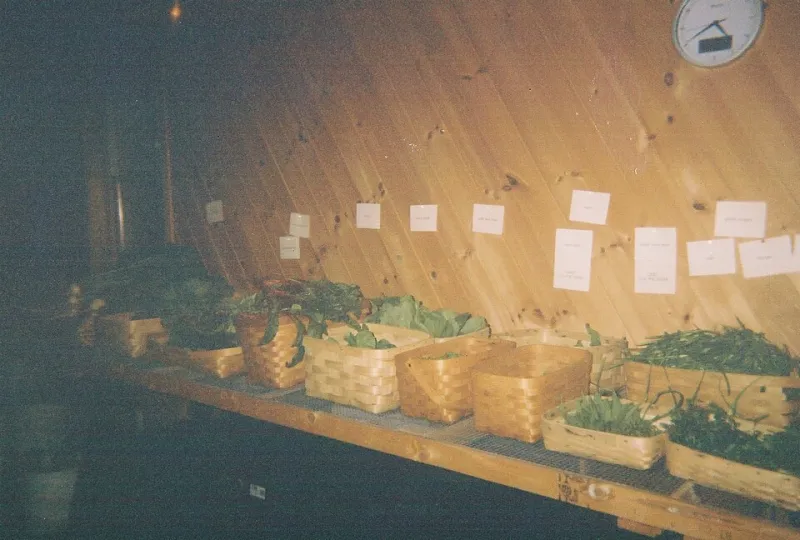
Photo: James Giddings, CC0, via Wikimedia Commons
Let's be honest about what happens. You sign up for a CSA share in February, glowing with virtue. You pick up your first box in June and it's beautiful—strawberries, lettuce, the works. Then week six arrives and it's four pounds of zucchini, a bunch of something with leaves you don't recognize, and a kohlrabi that you're pretty sure is staring at you.
By September, half that box is a science experiment in the crisper drawer. Farmers know this. They see it in what members skip, what they leave on the swap table, and what quietly rots. "The average share family wastes about a third of it," one Vermont grower told me. "Not because they don't care. Because nobody ever taught them what to do with a rutabaga on a Tuesday."
Here's the repair manual.
1. Batch Roast Everything on Sunday
One sheet pan, 425°F, olive oil, salt. Beets, carrots, turnips, squash—whatever root or hard vegetable is glaring at you. Roast a double batch. Those cubes become grain bowls, tacos, frittatas, and pasta tosses all week. Farmers say roasted vegetables are the single biggest difference between members who finish their shares and members who don't.
2. Make Freezer Pesto Your Safety Net
Basil, carrot tops, garlic scapes, arugula that's about to turn—blitz it with oil, nuts, whatever hard cheese is around, and freeze it in an ice cube tray. Those cubes become a weeknight dinner in March. Scapes, by the way, are the thing members most often throw away and most regret later.
3. Host an Ugly Soup Night
Every two weeks, gather the wilting produce, sauté an onion, add broth, blend, done. One CSA in Minnesota runs a group chat where members post their "ugly soup" results. It's half accountability, half recipe swap, and entirely effective. Soup is the forgiveness the vegetable drawer is asking for.
4. Learn Your Farm's Swap Table Politics
Most pickup sites have an unofficial exchange economy. The zucchini-glut household trades for the salad greens the neighbors can't get enough of. Know the local exchange rates. (Zucchini trades low in August. Cherries never get left behind.) If your drop site doesn't have one, start it—farmers say swap tables cut reported waste dramatically.
5. Freeze Like It's Your Job
You don't need canning equipment or a free weekend. Slice peppers and freeze them raw on a tray, then bag them. Blanch greens for two minutes, shock, freeze. Corn cut off the cob, raw into bags. Future-you, standing in a February kitchen, will send a thank-you note.
6. Pickle the Things You're Afraid Of
Kohlrabi, radishes, turnips—quick-pickle them in vinegar, water, salt, and a little sugar, and suddenly they're a taco topping instead of a confrontation. Twenty minutes of active work. No canning required. Refrigerator pickles last a month and make you look like you have your life together.
7. Reframe the Whole Thing
Here's the mindset shift the farmers keep coming back to: a CSA is not a grocery subscription. It's a relationship with a specific farm, in a specific place, in a specific season. You don't get to choose what the field gives you. You get to respond to it—which is, honestly, how humans ate for most of history.
Members who last more than two seasons say the same thing: the box stopped feeling like a challenge and started feeling like a conversation. The kohlrabi still stares. But now you know what to say back.