Dirt First: The Winemakers Ditching Chemicals and Letting Their Vineyards Come Alive
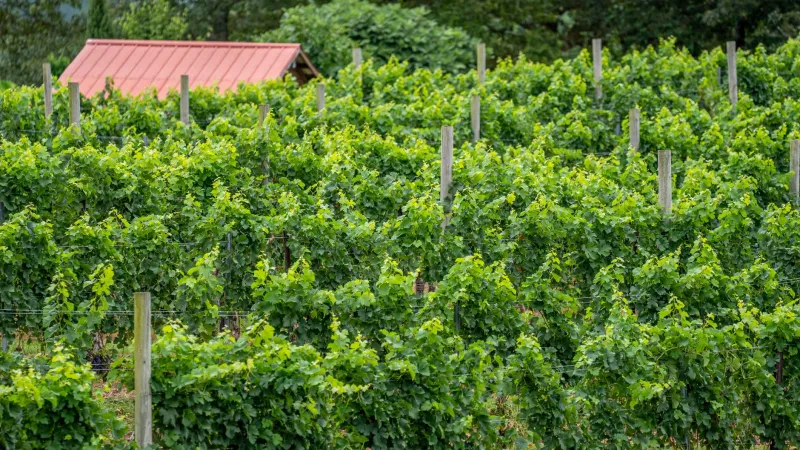
For most of the twentieth century, the dream of a perfect wine grape meant a very controlled kind of violence. Spray the weeds. Kill the fungus. Sterilize the soil. Keep everything tidy, predictable, and chemically managed. The vine was treated less like a living thing and more like a factory input — something to be optimized rather than nurtured.
But walk through a growing number of American vineyards today and you'll notice something different. Cover crops blooming between the rows. Chickens wandering the hillsides. Hedgerows buzzing with native bees. Compost piles that smell like the forest floor after rain. These aren't decorative choices. They're the foundation of a quiet but serious revolution reshaping how this country makes wine.
What "Regenerative" Actually Means Out Here
The word gets thrown around a lot, so it's worth being specific. Regenerative viticulture isn't just about what you stop doing — ditching synthetic pesticides and herbicides — it's about actively rebuilding the biological complexity of the land. That means feeding the soil food web, reintroducing native plants, managing water retention, and treating the vineyard as part of a broader landscape rather than an isolated production unit.
Biodynamic farming, which has roots in Rudolf Steiner's 1920s agricultural philosophy, takes that even further. It treats the farm as a self-sustaining organism, timing planting and harvesting around lunar cycles, using fermented herbal preparations to stimulate soil life, and eliminating all synthetic inputs entirely. To skeptics it sounds mystical. To the farmers doing it, it sounds like common sense.
"When your soil is alive, your vines are alive," says one Northern California vintner who converted her family's Sonoma County operation to certified biodynamic over a decade ago. "We went from fighting the land every season to actually listening to it. The grapes changed. The wine changed. Everything got more interesting."
The Soil Beneath the Story
Here's the thing conventional viticulture never fully reckoned with: wine is, at its most honest, just fermented soil. The minerals, the microbial activity, the water retention capacity of the ground under a vine — all of it shows up in the glass. Winemakers have a French word for it, terroir, but for a long time American producers chased that concept while simultaneously destroying the very conditions that create it.
Decades of herbicide use compacted soils and wiped out the mycorrhizal fungi that help vines access nutrients. Pesticide programs knocked out not just pests but the predatory insects that kept those pests in check. The result was a treadmill — more chemicals needed every year to maintain yields that were quietly getting less interesting.
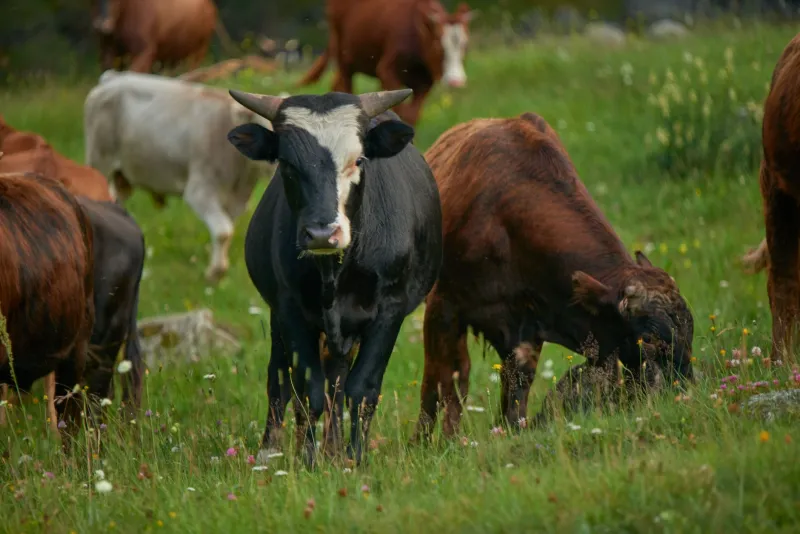
Regenerative growers are stepping off that treadmill. By planting diverse cover crops between vine rows — think crimson clover, fava beans, native grasses — they're feeding soil microbes, fixing nitrogen naturally, and reducing erosion. Some are integrating sheep or chickens into the vineyard rotation, using animals to manage vegetation while adding fertility back to the ground. It's messier than a manicured conventional operation. It's also dramatically more alive.
Wine Country Isn't Just California Anymore
This movement is showing up far beyond Napa and Sonoma, which is one of the most exciting parts of the story. Virginia's Shenandoah Valley has become a hotbed of biodynamic experimentation, with small producers working with native varieties and local terroir in ways that would have seemed fringe just fifteen years ago. The Willamette Valley in Oregon has long leaned toward sustainable practices, and its cooler climate turns out to be well-suited to the kind of biodiversity-forward farming regenerative viticulture demands.
Even in places like the Texas Hill Country and the Finger Lakes region of New York, growers are rethinking the chemical dependency that defined mid-century American wine production. Climate pressure is part of the motivation — hotter summers and more erratic rainfall make resilient, biologically rich soils a practical necessity, not just an ethical preference.
"Healthy soil holds water better," explains a biodynamic grower in the Finger Lakes. "When we get a drought, our vines don't panic the way they used to. They've got a deeper, more complex root system to draw from. That's not philosophy — that's just soil science."
The Pollinator Problem Nobody Talks About Enough
One of the less-discussed benefits of regenerative vineyards is what's happening above the soil. Native pollinator populations — bumblebees, mason bees, hoverflies, and dozens of other species — have been hammered by conventional agricultural practices across the country. Vineyards that maintain hedgerows, wildflower borders, and chemical-free zones are quietly becoming refuges.
Some growers are partnering with conservation organizations to restore native plant corridors between vineyard blocks, essentially creating habitat networks that support pollinators across entire valleys. It's a reminder that a vineyard doesn't exist in isolation — it's embedded in a watershed, a landscape, an ecosystem. Treat it like one and the whole system benefits.
One California operation near Paso Robles has documented over sixty native bee species on their property since converting to regenerative practices eight years ago. Before the transition, staff could barely identify a handful. "We didn't just change how we farm," the owner says. "We changed what our farm is."
Does It Actually Make Better Wine?
This is the question skeptics always land on, and honestly, it's a fair one. The answer, increasingly, is yes — though "better" is doing some work there.
What regenerative and biodynamic vineyards tend to produce are wines with more complexity, more site-specific character, and more of what wine people call "energy" or "tension." Whether that's because of the soil biology, the lower yields that naturally come from stressed vines, or something harder to quantify is still being debated. But the critical reception has been hard to argue with. Biodynamic producers are consistently showing up on best-of lists and earning serious attention from sommeliers who've grown tired of the polished, predictable profile of conventionally farmed wine.
More importantly, these wines are telling a story that matters right now. Consumers — especially younger ones — are paying attention to how their food and drink is produced. A bottle that comes from a living, thriving ecosystem, farmed by people who are actively trying to leave the land better than they found it, carries a different kind of value.
The Harvest at the End of the Row
There's something fitting about wine being at the center of this conversation. Few agricultural products are as tied to place, to season, to the specific character of a particular patch of earth. Wine has always been about terroir — about the irreducible specificity of where and how something was grown.
Regenerative viticulture is just taking that idea seriously. If the land matters, then the health of the land matters. If the soil is the source, then protecting and rebuilding that soil is the whole job.
The vineyards doing this work aren't perfect. Transitioning away from chemical dependency is expensive, labor-intensive, and full of difficult seasons. But the ones that have made it through are producing something genuinely worth paying attention to: wine that tastes like a place that's still alive.
And in a world where so much of our food comes from land that's being quietly exhausted, that's worth raising a glass to.