Corn Mazes and Cash Flow: The Real Math Behind the Agritourism Boom
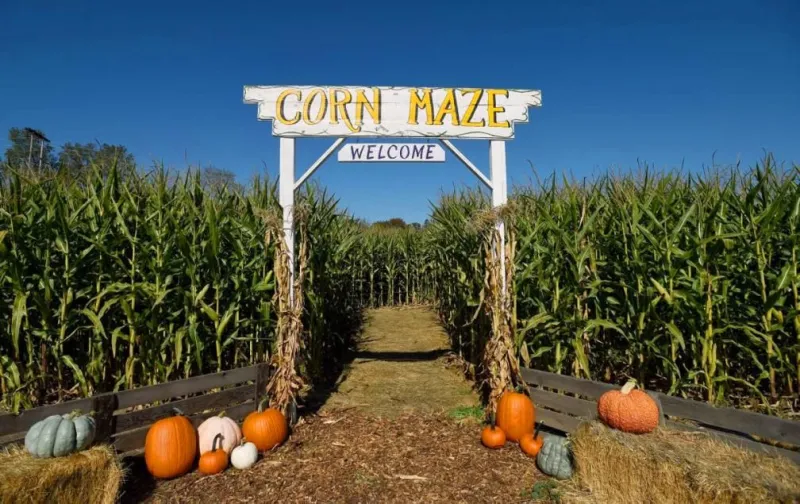
Photo: family corn maze autumn farm festival pumpkin patch, via i.pinimg.com
On a Saturday in October, a fifty-acre vegetable farm in upstate New York will welcome two thousand visitors, sell eleven thousand dollars in cider donuts, and harvest almost nothing for market. The pumpkins people carry to their cars were bought wholesale from a neighbor. The maze was cut in August. And without that single day — and the twenty-odd like it — the farm's books don't balance.
Welcome to the second harvest: agritourism, the fastest-growing revenue stream on America's small farms.
The Numbers Behind the Hayride
The USDA has tracked farm recreation income for years, and the trend line keeps bending upward — tens of thousands of farms now report income from agritourism and direct recreational sales, worth well over a billion dollars annually. For operations under two hundred acres, that income isn't a novelty. It's often the difference between a next generation taking over and a for-sale sign on the road.
The appeal for farmers is obvious. Wholesale broccoli might net a few thousand dollars an acre. A well-run fall festival weekend can out-earn an entire field of it. And unlike produce, a hayride doesn't rot if it rains once.
What Actually Pays
Talk to enough farm operators and a hierarchy emerges.
The reliable earners: U-pick strawberries and blueberries, which essentially sell the labor of picking along with the fruit. Fall festivals, where pumpkins, mazes, donuts, and admission fees stack into real margin. Farm-to-table dinners, which carry restaurant prices with restaurant-quality margins and almost no food waste — you cook what you picked that morning.
The gamble: Corn mazes are expensive to design, cut, and staff, and they live or die on weather and word of mouth. Farm stays — the cabins and campsites — can be lucrative but require hospitality skills most farmers never signed up for, plus insurance and permitting that can take years to untangle.
The flops: Anything requiring a big build with a short season. One Midwestern farmer told me about a $60,000 event barn that hosted four weddings before the county changed its zoning. It now stores hay.
The pattern underneath all of it: agritourism works when it monetizes what the farm already does. It fails when the farm contorts itself to monetize tourism.
The Uncomfortable Questions
The boom isn't universally loved. Some growers worry that farms optimized for Instagram — sunflower fields, photo props, cider slushies — crowd out the scrappier operations actually feeding their communities. There's a real tension in watching a farm spend its best October Saturday hosting school groups instead of harvesting storage crops.
Access is the other fault line. A $25 admission, $8 donuts, and a $30 pumpkin add up to a family outing that excludes a lot of people — including many of the neighbors who live down the road. Some farms are responding with community days, EBT-accepted markets, and free u-pick gleaning events after the paying crowds go home. The best operators treat agritourism as a bridge, not a gate.
And there's the labor question: festival weekends run on seasonal crews, often at wages the farm's vegetable business couldn't previously support. Done right, agritourism funds better jobs on the same ground. Done wrong, it's just another way to squeeze a Saturday.
Why It Still Matters
Strip away the donuts and the photo ops, and something genuinely important is happening: for the first time in generations, ordinary Americans are walking onto working farms in large numbers. Kids see where eggs come from. Adults see what a diversifying, cover-cropped field actually looks like. That visibility builds the political and consumer will that sustainable farming needs to survive.
The second harvest, in other words, isn't just cash. It's connection — and for a lot of small farms, that's the crop that keeps the first one planted.