Why Fall Is the Best Time to Stop Trusting Your Grocery Store
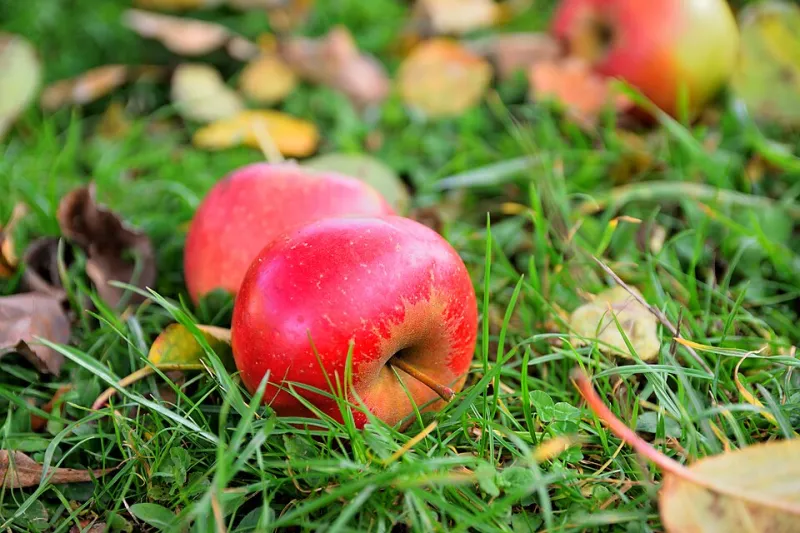
Photo: AS Photography from Poland, CC BY 4.0, via Wikimedia Commons
Let's be honest about something. That tomato you sliced up last Tuesday — the perfectly round, deeply red one you grabbed from the produce section — tasted like almost nothing. Maybe a faint ghost of acidity. A hint of wet cardboard. You probably salted it heavily and moved on, quietly disappointed but unsure exactly why.
You're not imagining it. And it's not your taste buds.
The modern grocery store tomato is, in many ways, a masterpiece of logistics and a complete failure of flavor. Understanding why that's true — and knowing what to reach for instead as fall harvest season peaks across the country — can genuinely change the way you eat.
The Long, Cold Road to Your Salad Bowl
Most tomatoes sold in US supermarkets travel an average of 1,500 miles before they land in your cart. A significant chunk of them come from massive growing operations in Florida and Mexico, where they're picked while still hard and green — a state called "mature green" in the industry — specifically because they can survive the journey without bruising into mush.
Once harvested, those tomatoes get treated with ethylene gas, a naturally occurring plant hormone that triggers the color change from green to red. The skin blushes. The tomato looks ripe. But here's the problem: color and ripeness are not the same thing.
True flavor development in a tomato depends on a cascade of chemical reactions that happen while the fruit is still attached to the vine, soaking up sun and converting sugars. Volatile aromatic compounds — the molecules responsible for that rich, complex "tomato smell" — build up over days of genuine vine ripening. When you pick a tomato early and gas it into redness later, you're essentially skipping the whole flavor chapter of the story.
Cold storage makes it worse. Temperatures below 55°F — standard for refrigerated transport — permanently damage the membrane structures inside tomato cells that produce those aromatic volatiles. Science journalists have been writing about this for years, and a widely cited study from the University of Florida confirmed it plainly: chilling tomatoes before they're fully ripe breaks the flavor-making machinery in ways that can't be undone, even after the fruit warms back up.
The result is what food writers sometimes call the "supermarket tomato problem" — a product optimized for shelf life, uniformity, and shipping durability, with flavor treated as an afterthought.
It's Not Just Tomatoes
The same logic applies across a surprising range of produce. Peaches picked hard for transport. Strawberries bred for size and firmness rather than sweetness. Corn that spends three days in a refrigerated truck while its sugars quietly convert to starch. The industrial food supply chain has gotten extraordinarily good at moving food across the country in one piece. What it hasn't solved — and arguably hasn't tried hard enough to solve — is keeping that food tasting like something.
This is exactly why the season you're in right now matters so much.
Fall Is Actually Stacked — If You Know Where to Look
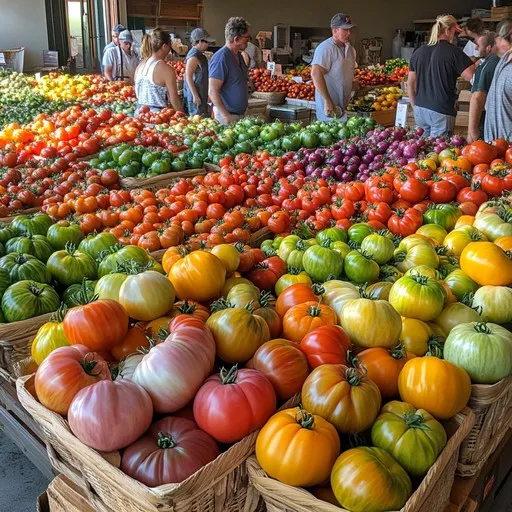
Here's the good news: autumn is one of the most abundant and underappreciated harvest windows in the American food calendar. While everyone's mourning the end of summer tomatoes, a genuinely spectacular lineup is hitting its peak at farms and farmers' markets across the country.
Winter squash — butternut, delicata, kabocha, acorn — is at its absolute best from September through November. These varieties actually improve after harvest, their starches converting to sugars during a curing process. A squash bought at a farmers' market in October, grown locally, will have a sweetness and depth that a grocery store version rarely matches.
Apples are obvious, but variety matters enormously. The Red Delicious sitting in your grocery store's bin has often been in cold storage since last fall — yes, literally a year ago. Farmers' market apples in October are freshly picked, and heirloom varieties like Honeycrisp, Mutsu, or Winesap offer complexity that the standard commercial lineup can't touch.
Sweet potatoes cure beautifully and travel reasonably well, but locally grown ones harvested this fall will have a creamier texture and more pronounced flavor than imports. Look for them at farm stands and co-ops.
Brassicas — broccoli, cauliflower, Brussels sprouts, kale, cabbage — genuinely love cool weather. A frost actually improves Brussels sprouts, converting starches to sugar. These are the vegetables that want to be fall crops, and they taste like it.
Root vegetables — turnips, parsnips, beets, carrots — are coming into their prime. Parsnips in particular develop their signature sweetness only after cold nights trigger sugar development. Buy them local, buy them now.
Why Farmers' Market Timing Is Everything
The window between harvest and your plate is where flavor lives or dies. At a farmers' market, that window can be measured in hours. A farmer who picked tomatoes or corn at 6 a.m. and drove them to a Saturday market has given you something fundamentally different from a product that spent a week in a distribution center.
But there's a subtler timing element too. Early in a market season, farmers are moving product quickly — supply is high, competition is real. By mid-to-late fall, the vendors who remain are often the most dedicated growers, selling crops they've spent months tending specifically for late-season harvest. The variety narrows, but the quality often peaks.
Talk to your farmers. Ask what was picked this week. Ask what they're eating at home right now. That question alone will redirect your shopping cart in genuinely useful ways.
A Practical Fall Buying Guide
September: Tomatoes (finally, locally grown ones — grab them before they're gone), peppers, eggplant, corn (early month only), early apples, summer squash transitioning to winter squash.
October: Winter squash peak, apple prime time, Brussels sprouts, broccoli, cauliflower, beets, turnips, kale, sweet potatoes.
November: Root vegetables, storage crops (squash, sweet potatoes, onions, garlic), hearty greens, late apples, pears.
The rule of thumb is simple: if it's traveling a long way to reach you, it was probably picked before it was ready. If it's coming from within a hundred miles, harvested this week, it had a fighting chance to actually become what it was supposed to be.
The Bigger Picture
None of this is about shaming anyone for buying groceries at a supermarket. Most of us don't have a farmers' market option every day, and cost and convenience are real factors that don't disappear because someone wrote a food article about them.
But fall is genuinely a moment worth leaning into. The harvest is real, the local options are abundant, and the gap between what's available at a farm stand and what's available in a chain grocery store is probably wider right now than at any other point in the year.
That watery tomato wasn't your fault. But knowing what to grab instead? That part's up to you.