Pickle, Ferment, Preserve: How Conscious Cooks Are Turning Harvest Abundance Into Year-Round Pantry Gold
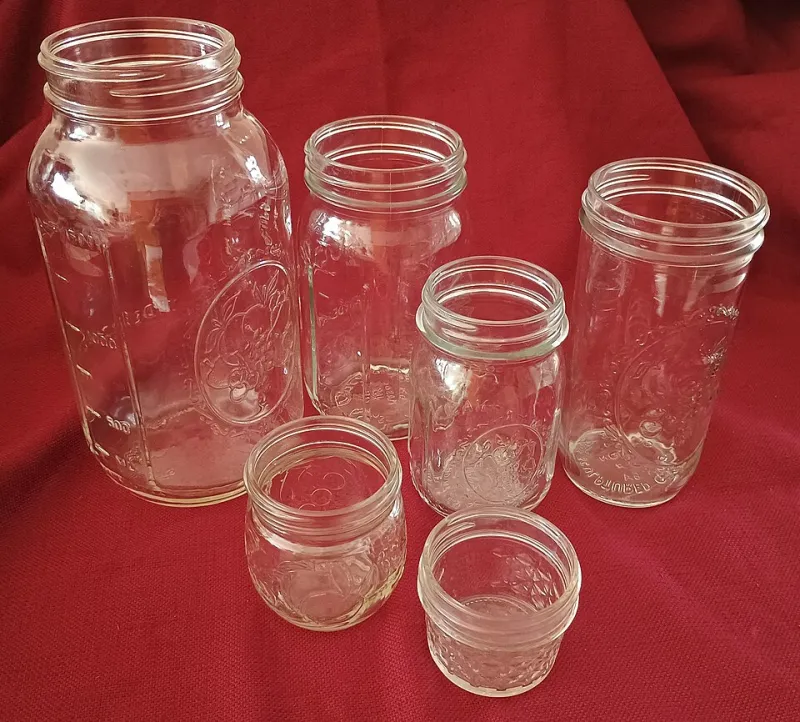
Photo: Dvortygirl, CC BY 4.0, via Wikimedia Commons
Somewhere between August's crushing tomato surplus and the barren produce aisles of February, a quiet revolution is happening in American kitchens. Mason jars are multiplying on countertops. Crocks of cabbage are bubbling away in basements. And people who once tossed half a CSA box into the compost bin are now asking their farmers for extra peppers because they've got plans.
Fermentation and food preservation — skills that were standard household knowledge a century ago — are back, and they're bringing a whole new generation of converts with them. But this isn't your grandmother's canning club (no offense to her legendary bread-and-butter pickles). Today's preservation movement is equal parts tradition, nutrition science, and deliberate pushback against a food system that wastes roughly 30 to 40 percent of its own supply.
From Forgotten Skill to Cultural Moment
The pandemic planted a lot of seeds — figuratively and literally. When grocery store shelves went bare in 2020, a lot of people started asking uncomfortable questions about where their food actually comes from and what happens when the supply chain hiccups. Home fermentation searches spiked. Sourdough starter became a personality trait. And something deeper started to take root.
"People realized they had lost skills that used to be considered totally basic," says Mara Okonkwo, a fermentation educator based in Asheville, North Carolina, who teaches workshops out of her home kitchen. "Knowing how to preserve food used to be survival knowledge. Now it feels radical, which tells you a lot about how far we've drifted from the actual source of our food."
Okonkwo started fermenting in earnest after joining a local CSA and repeatedly finding herself overwhelmed by the sheer volume of summer produce. "There's only so much zucchini you can eat fresh," she laughs. "Fermentation was my way of honoring what the farm gave me without letting it rot."
That framing — preservation as a form of respect — shows up again and again in conversations with fermenters across the country. It's less about food hoarding and more about extending the story of a vegetable past its peak-season moment.
The Farm Side of the Equation
Farmers are noticing the shift too. At Stonebrook Farm in Vermont's Champlain Valley, co-owner Dani Reyes has started growing specific cultivars with preservation in mind — not just what tastes best fresh, but what holds up to brine, vinegar, and time.
"We started trialing different pepper varieties a few years back," Reyes explains. "Some of our customers were fermenting hot sauce and they were asking for thicker-walled peppers that could handle a longer ferment without getting mushy. That was a conversation I never would've had with a wholesale buyer."
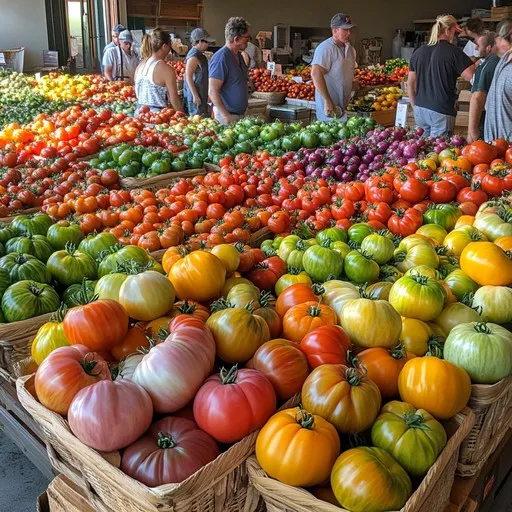
This direct relationship between grower and preserver is reshaping how some small farms think about their crop lines. Reyes now grows a handful of heirloom tomato varieties specifically because local canners and sauce makers prefer their lower water content and complex flavor. It's a niche, sure — but it's a profitable and relationship-driven one.
Regenerative farmers, in particular, are finding natural alignment with the preservation movement. When your farming philosophy is already built around closing loops and minimizing waste, encouraging customers to preserve the harvest rather than let it spoil is a logical extension of that worldview.
What the Science Says (And It's Good News)
Beyond the sustainability angle, there's a growing body of nutritional research making a compelling case for fermented foods. Lacto-fermentation — the process that turns cabbage into sauerkraut or cucumbers into real dill pickles — produces beneficial bacteria that support gut health, and it can actually increase the bioavailability of certain nutrients compared to their raw or cooked counterparts.
Dr. Priya Chandler, a food scientist at the University of Wisconsin-Madison who studies traditional fermentation practices, notes that the renewed interest in these techniques is creating some fascinating research opportunities. "We're finding that traditional ferments from different cultures have really distinct microbial communities," she says. "Korean kimchi, American lacto-pickles, Midwestern fermented beet kvass — they each have their own microbial fingerprint, often shaped by the local environment and even the hands of the person making it."
That localism is part of the appeal. Your kimchi, made with cabbages from your farmers' market and the ambient microbes floating around your specific kitchen, is genuinely different from anything you can buy in a store. It's hyper-local in a way that even the most artisan grocery product can't replicate.
Getting Started Without Getting Overwhelmed
If you've been curious but intimidated, here's the thing: fermentation has a steep reputation and a pretty gentle reality. The basics are genuinely accessible.
Salt-brine ferments — sauerkraut, kimchi, pickled carrots, fermented hot sauce — require almost no equipment beyond a jar and some patience. The science is forgiving. As long as your vegetables stay submerged under the brine, beneficial bacteria do the heavy lifting.
Okonkwo recommends starting with whatever is currently abundant at your local farmers' market. "Don't go to the grocery store and buy vegetables specifically to ferment," she advises. "Go to the market, see what's at peak season and overflowing in the stalls, and start there. That's how this was always meant to work."
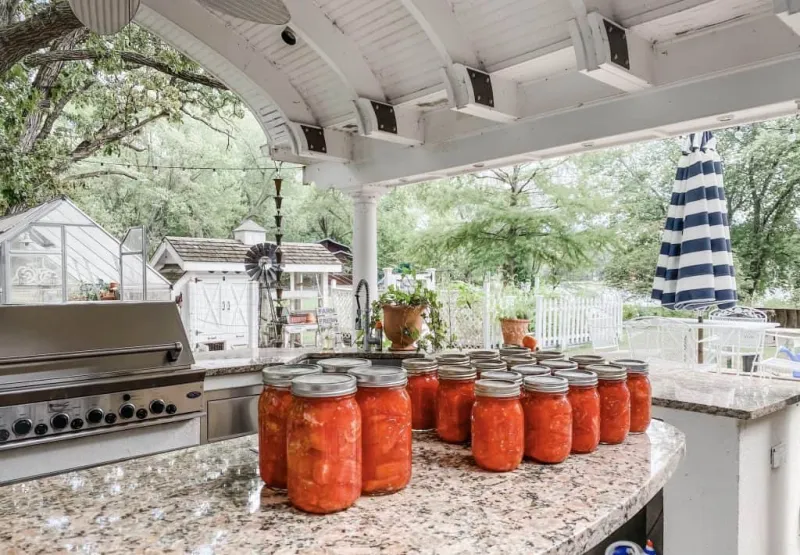
For those ready to go deeper, vinegar-based quick pickles and water bath canning open up a whole other world of preservation. The National Center for Home Food Preservation (nchfp.uga.edu) remains the gold standard for safety-tested recipes, which matters especially when you're moving into low-acid canning territory.
Preservation as Political Act
It would be easy to frame all of this as a cozy lifestyle trend — and sure, there's definitely an aesthetic component (those amber jars lined up on a wooden shelf do look really good on Instagram). But the people most invested in this revival tend to see it as something more meaningful.
Every jar of fermented salsa you make from local peppers is a jar of industrial salsa you didn't buy. Every quart of frozen summer corn is a hedge against the bland, out-of-season ears that travel thousands of miles to reach your grocery store in January. Every crock of preserved vegetables is a small act of food sovereignty — a way of saying that you have some agency over what you eat and where it comes from.
"Preservation is how farming communities have always extended the harvest," says Reyes at Stonebrook Farm. "The fact that we lost that knowledge so quickly, in just a couple of generations, is wild. Getting it back feels important."
The harvest doesn't have to end when the first frost hits. With a little salt, some patience, and a few good jars, summer can last a lot longer than the calendar suggests. And that, right there, is the whole point.